War of the drones

Four years after Russia's invasion, 87 per cent of deaths are caused by drones. Through cheap innovation, gamified warfare, and platforms like Brave1, the Ukrainians are defending themselves with equipment costing a fraction of what Russia spends. Ukraine is in the process of changing how defence forces around the world think about the future of warfare.
It's been four years since the world witnessed Russia's invasion of Ukraine. The war has been going on much longer, but February 24th 2022 marked the start of an entirely new kind of warfare.
Because the war being fought has been almost completely taken over by drones. Alistair Cairns is a minister of state at the UK Ministry of Defence. He says 87 per cent of deaths are caused by drone strikes. Those are staggering numbers, in a war where Russia now has more dead and wounded than the US had during the entirety of the Second World War.
 Charlie Parker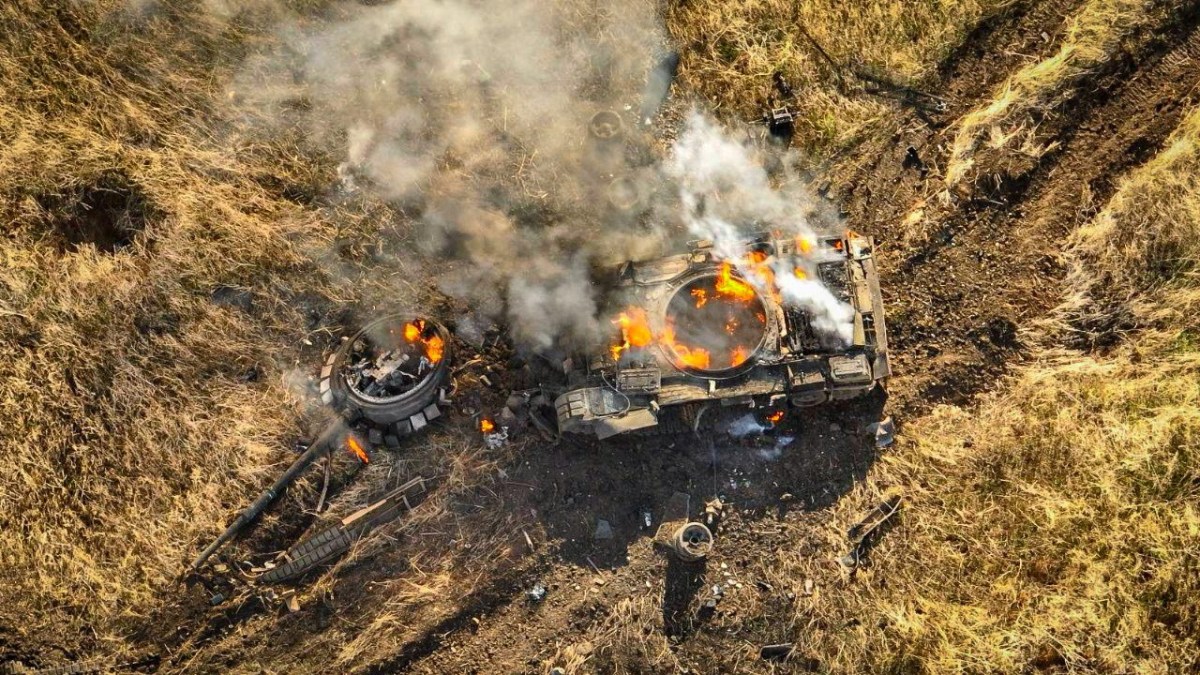
Ever since Russia's invasion, the Ukrainians have pulled out all the stops to defend themselves and put up resistance. Where Russia bombs with its Iranian-made Shahed drones, Ukraine has countered with domestically produced – and much cheaper – drones capable of intercepting the 200-kilogram kamikaze missiles.
The war has evolved into a remote-controlled battle, where drone pilots play a key role. First person view drones account for roughly sixty per cent of all deaths. FPV means a human is flying the drone via a screen, seeing through the drone's camera lens.
Innovation and low costs
Over the past four years, the Ukrainians have shown an impressive ability to hold their ground. At the same time, they've leaned on innovation and clever solutions to gain a foothold in the war. Ratel Robotics is one such example. The company's founder, Taras Ostapchuk, joined the Ukrainian army in 2022, where he served as a drone pilot until he was wounded in 2024.
Even though Ostapchuk was out of the army, he still wanted to contribute – and drones were something he'd become well acquainted with. So he started reading online forums and watching YouTube to figure out how he could produce drones himself that could be put to use.
Today, Ratel Robotics has 12 different ground drones in production. The remote-controlled vehicles are fitted with large wheels that handle varied terrain, and carry out different tasks: evacuating the wounded, transporting equipment, and offensive purposes like laying mines or kamikaze missions.
Speaking to New Scientist, Ostapchuk says the Ratel H model – which can transport goods and equipment over longer distances – is much cheaper compared to similar European kit. He's also concerned about the volume of Chinese components being used by Europe.
China is a big problem, in my mind, for all the world. Europe should decide who will build weapons and robots for the next war – Ostapchuk to New Scientist.
 #author.fullName}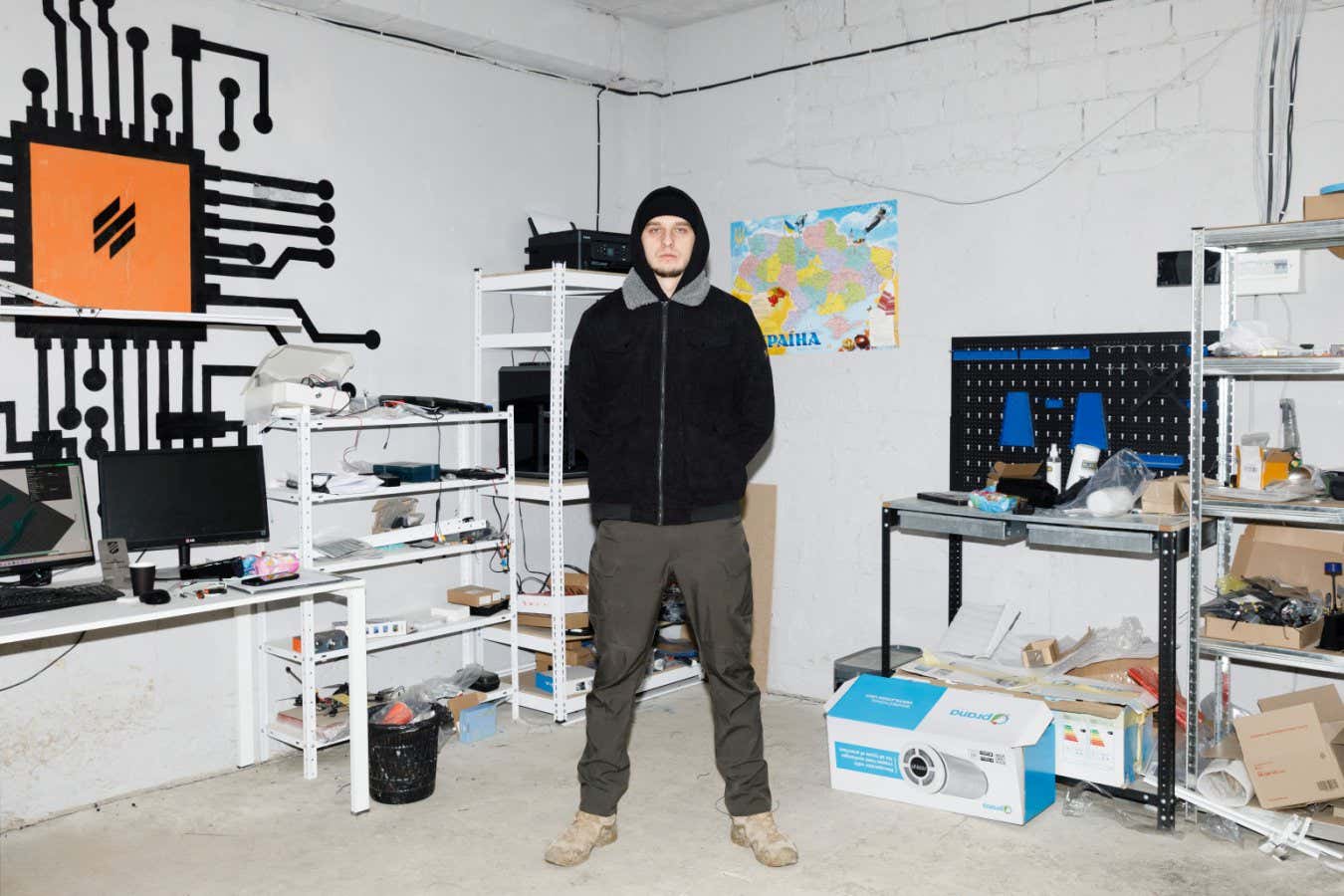
The information battle
Russia's feared Shahed drones have been estimated to cost around $20,000 per missile, which is cheap when it comes to military hardware. Ukraine's strategy has been to find even more cost-effective ways to stop these drone missiles.
The Wild Hornets is a Ukrainian military tech company producing STING – a type of drone specialised in intercepting Shaheds mid-air. The drones cost no more than $2,100 each and are flown via FPV. Together with training centres like Killhouse Academy, Wild Hornets trains skilled pilots who can steer drones at high speed through demanding terrain.
But the price of the Shahed has been an estimate. In 2024, the hacker group Prana Network claimed to have gained access to email exchanges showing that Russia pays significantly more per drone. According to Prana Network, the price could be as high as $290,000 per missile. And this is where part of Ukraine's success lies; the ability to develop and produce defence equipment that's far cheaper than what Russia is attacking with.
 Asami Terajima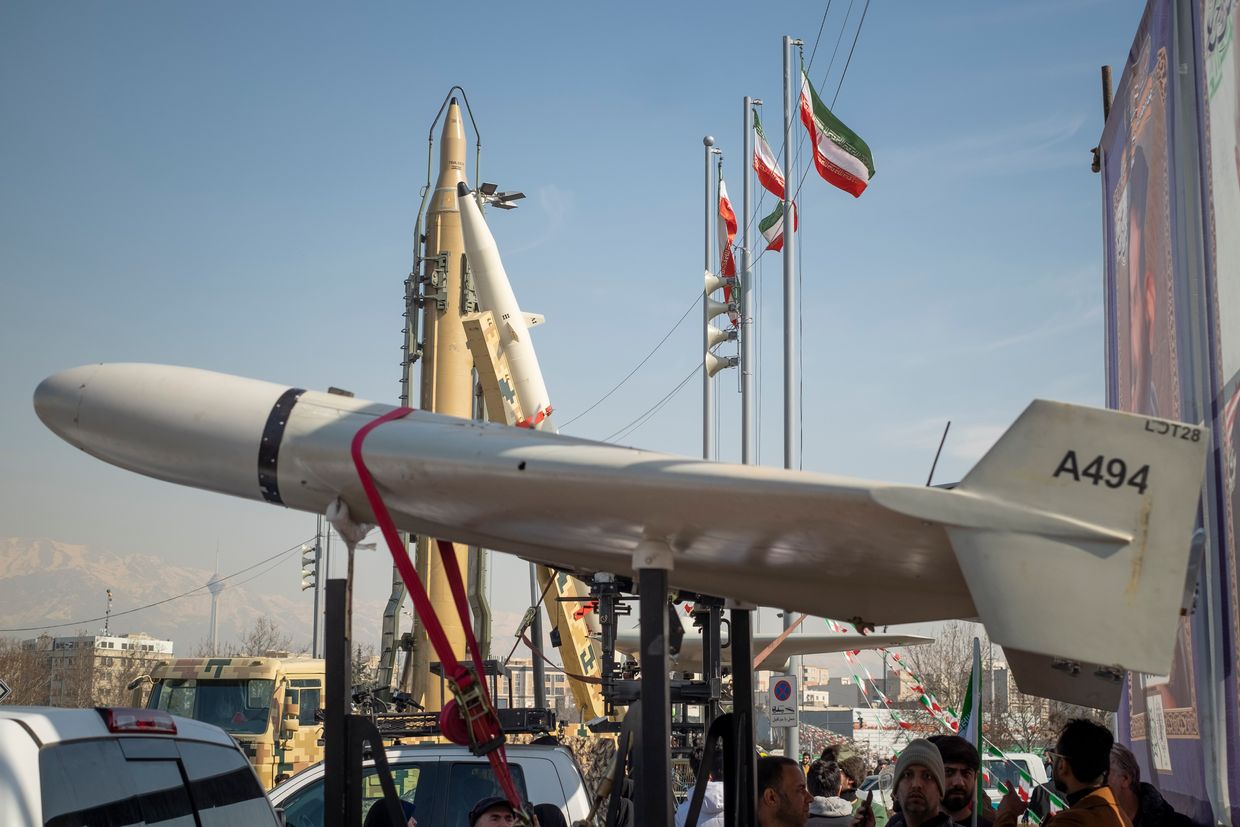
Ukraine has now set itself the goal of producing a thousand such drones every day, and NATO is watching closely to see how large-scale drone attacks can be intercepted on the cheap.
Kill points
Another move Ukraine has made goes by the name Brave1. It's a digital platform designed to bring experts together so they can jointly develop prototypes and new ideas within weeks.
Through the platform, developers, researchers, and manufacturers get information about what kind of equipment works – and where there are weaknesses that need plugging. They've also set up a marketplace for military equipment where users can leave reviews and chat with each other to share tips and tricks for new ways to use it.
It's through the Brave1 platform that the Ukrainians have "gamified" the war.
Multiple outlets report that Ukraine has introduced a points system for killing Russian soldiers or destroying their equipment.
"That’s six points. It used to be only four." – Mykhailo Fedorov commenting a video of a Russian soldier being killed, to Time magazine.
The inspiration comes from online games like Roblox and Fortnite. At the end of each month, a panel of military officers convenes and tallies up the points. The results are made public, and the points the various "teams" have earned can be used to buy more advanced military equipment through Brave1.
A new threat
Drones used in warfare are controlled via radio waves. That's why it's become increasingly common to jam the radio signals around you to prevent drone attacks. Soldiers on the ground carry radio jammers in their backpacks, and there are drones whose sole purpose is to disrupt radio frequencies.
Now, the Russians have started using fibre-optic cables to stop their drones from being knocked out of action. The cables are superthin, like fishing line. By being directly connected to a network, they've managed to bypass Ukrainian soldiers' jammers. Methods for intercepting and detecting these "landline drones" are still being developed. But once again, we see how the war in Ukraine has changed the way militias around the world operate.
Both Mexican cartels and Sudanese militias have been inspired by the Russians and adopted fibre-optic drones. They've seen that electronic and radio-controlled warfare has major weaknesses.
Push notifications for cover
Russia's invasion has devastated large parts of Ukraine. According to The Times, more than 14,000 civilians and 800 children have been killed since 2022. The population follows social media to see where the bombs are falling this time and how to stay safe.
Ukraine didn't ask for this war, they're doing what they have to in order to hold on. Wars used to play out in trenches. But as technology has evolved, pilots sit behind screens, remotely controlling swarms of killing machines.
Russia is banking on the West growing tired and cutting off financial support to Ukraine.
Next time someone grumbles about the money we're sending to Ukraine, remember how those funds are being used. How every penny is squeezed with one single goal in mind:
Survival.