Satellite Hell and a Stock Market Crash

There was no Kludder last week, but it wasn't due to a lack of ideas.
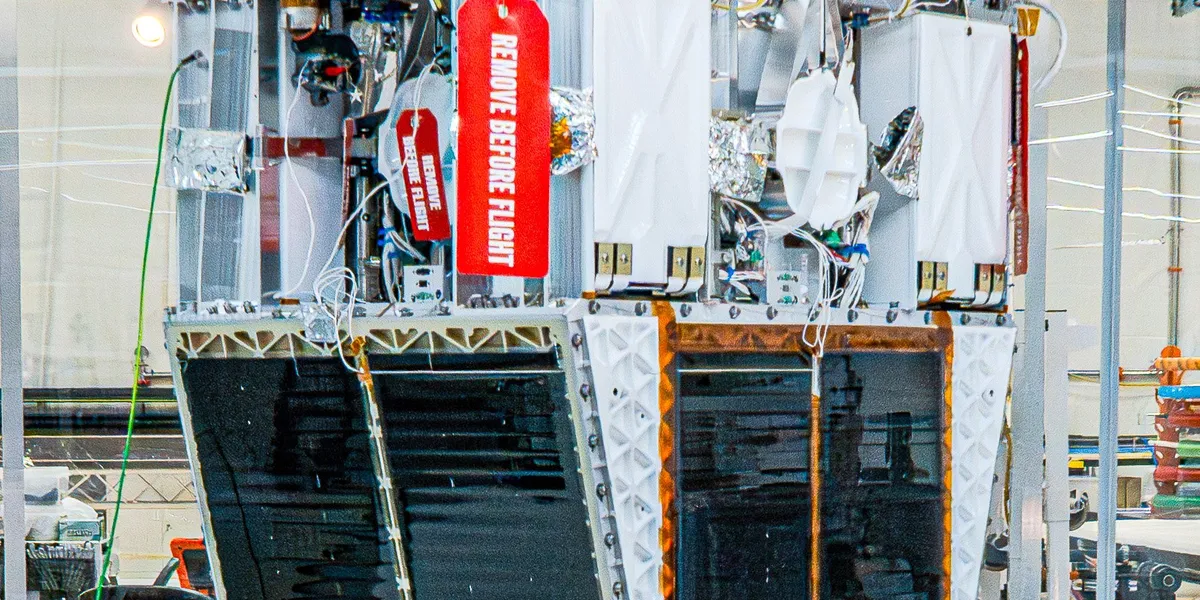
In August I wrote about the Starlink satellites whizzing over my head at home in St. Hanshaugen, Oslo. It was the start of a curiosity, and eventually a worry, about what our night sky will look like in just a few years.
Read more about it here:
 Sebastian Parry-Jones Øyrehagen

Last week I had a chat with Dagens Næringsliv, Norway's leading business newspaper. At the start of November they ran a big feature on the stars that are about to be covered up by satellites. Now they wanted to do a follow-up with the satellite company Reflect Orbital and me.
The story was slow to get published, because there was no end to what was going to happen in this month we call November. Robert Pattinson was announced as the next James Bond! Not only that, the plot of the latest film leaked too, and it's a handfull:
The head of one of the world's biggest companies is lured into bed by a Chinese spy - also known as a honeytrap. She gradually sets up illegal trade channels for super-valuable chips, via Singapore and into China. That triggers global stock market panic, and the American president gets involved.
If only... This Hollywood-worthy plot (which I bet screenwriters are securing the rights to as we speak) is the very real story of Nvidia and the company's CEO, Jensen Huang. In the days between my interview with Dagens Næringsliv and its publication, more than a trillion dollars got sucked into the undertow of Huang's ever-growing list of escapades.
Out netflixing Netflix
I've spent some time deciding whether to write about this or not. Cause is this something Kludder should cover? Stock prices and soap opera from the C-suite? Not really. But over these past few days it struck me: this is exactly what Kludder is about. Here I write about technology that both crashes into our lives and, in some cases, seeps in unnoticed while we sleep.
Everything from algorithm-driven content that dominates our screens, to AI researchers calling it quits. From the NFT boom that vanished, to the mental struggles of becoming mega-rich overnight.
What has happened with Nvidia these past weeks, affected the whole world. For me it became yet another reminder of the chokehold the tech oligarchs have on everything we touch. Yes, even my favourite team, Liverpool, is 38 per cent owned by Amazon boss Jeff Bezos. As the Nvidia scandal played out, I thought back to the Netflix series House of Cards. To Frank Underwood, who lets nothing stand in his way on his mission to become America's next president. When the series came out in 2015, the plot was wild. Today, barely 11 years later, we've gotten used to worse.
I sincerely believe that if the Nvidia story had been a plot in House of Cards, we'd have said Netflix jumped the shark. The US president personally calling the company's board to reinstate a CEO who's been tricked into bed by a spy? Yeah, right.
But that's exactly what happened. Because just when things looked darkest for Nvidia's share price, President Donald Trump turned up and showed why he's on the cover of The Art of the Deal. In that stern voice of his, he ordered the board to reinstate Jensen Huang.
Looking after their own
At the same time, Anthropic is going public in what is the biggest IPO ever. In a spat of tech and AI fatigue, I picked up Isabella Weber's book Anti-fascist Economics. At first it was fairly heavy going. But it all made sense once I started reading it with the Nvidia frenzy as a backdrop. There's something in what Weber writes that resonates:
That in a system of rule with fascist tendencies, the belief prevails that one group of people is better than others. The idea that only this chosen group can lead the nation and the world forward.
Isn't that exactly what's playing out right now, with Nvidia in the leading role? First there's the world's richest man, Elon Musk, who thinks it was idiotic of the board to get rid of Huang. It's worth mentioning that Huang hasn't just had an affair with an alleged Chinese spy. He has also had (at least) two other office romances, and one of those women reported directly to him. Ethically and professionally, that's a fail. The Nvidia boss reportedly doesn't believe in formal agreements either, so most deals have been done on a handshake, the Wall Street Journal revealed. That left a whole heap of deals at risk of collapsing if Huang wasn't in the CEO's chair.
Enjoying Kludder? Help me spread the word! Feel free to share me with a colleague, office flirt or a friend.
But then the US president turns up and meddles in a company matter. According to the Financial Times, that little manoeuvre has pushed the value of the president's own Nvidia shares up by $15 million.
What has played out over the past few weeks proves how much power the tech oligarchs have been handed. They run the stock market, and they run our lives. In the middle of all this we're stood, trying to work out what's going on. Still, the Anthropic employees can smile. The IPO brought mega-wealth with it, and has sent San Francisco's luxury housing market into a frenzy.
Pick your battles
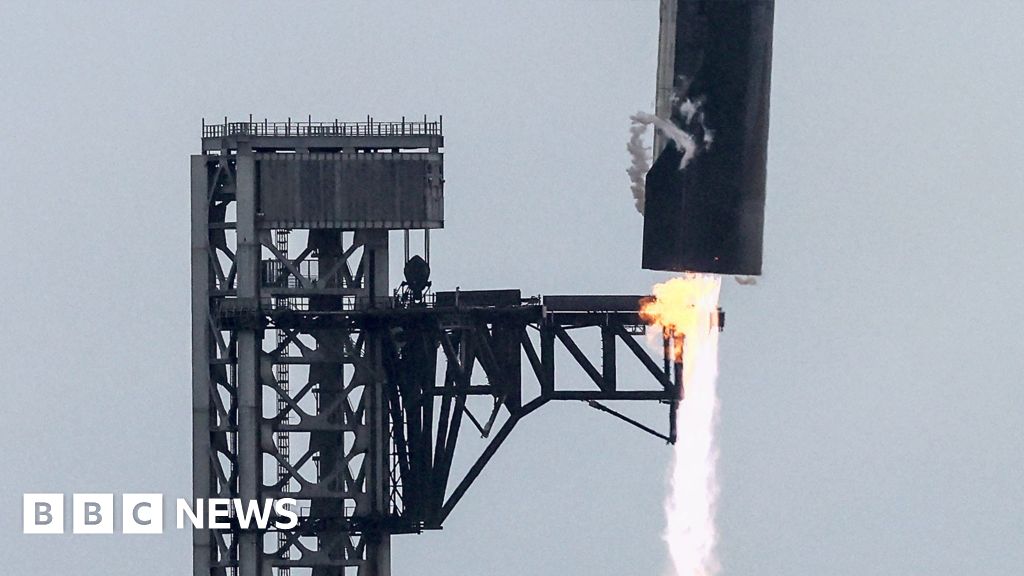
On Friday the piece in Dagens Næringsliv went to print, and I sadly conclude that Elon Musk probably isn't a subscriber. Today news broke that he's got the approval he wanted. SpaceX can now launch a million satellites.
 Max Matza
I still believe we can turn around the satellite chaos that's racing towards us. And I still believe we can keep our starry nights, for us and for generations to come. After all, as I told the paper:
– Let's not write off what people can achieve when they care.
Read the story in Dagens Næringsliv here:
 Gøril Sæther