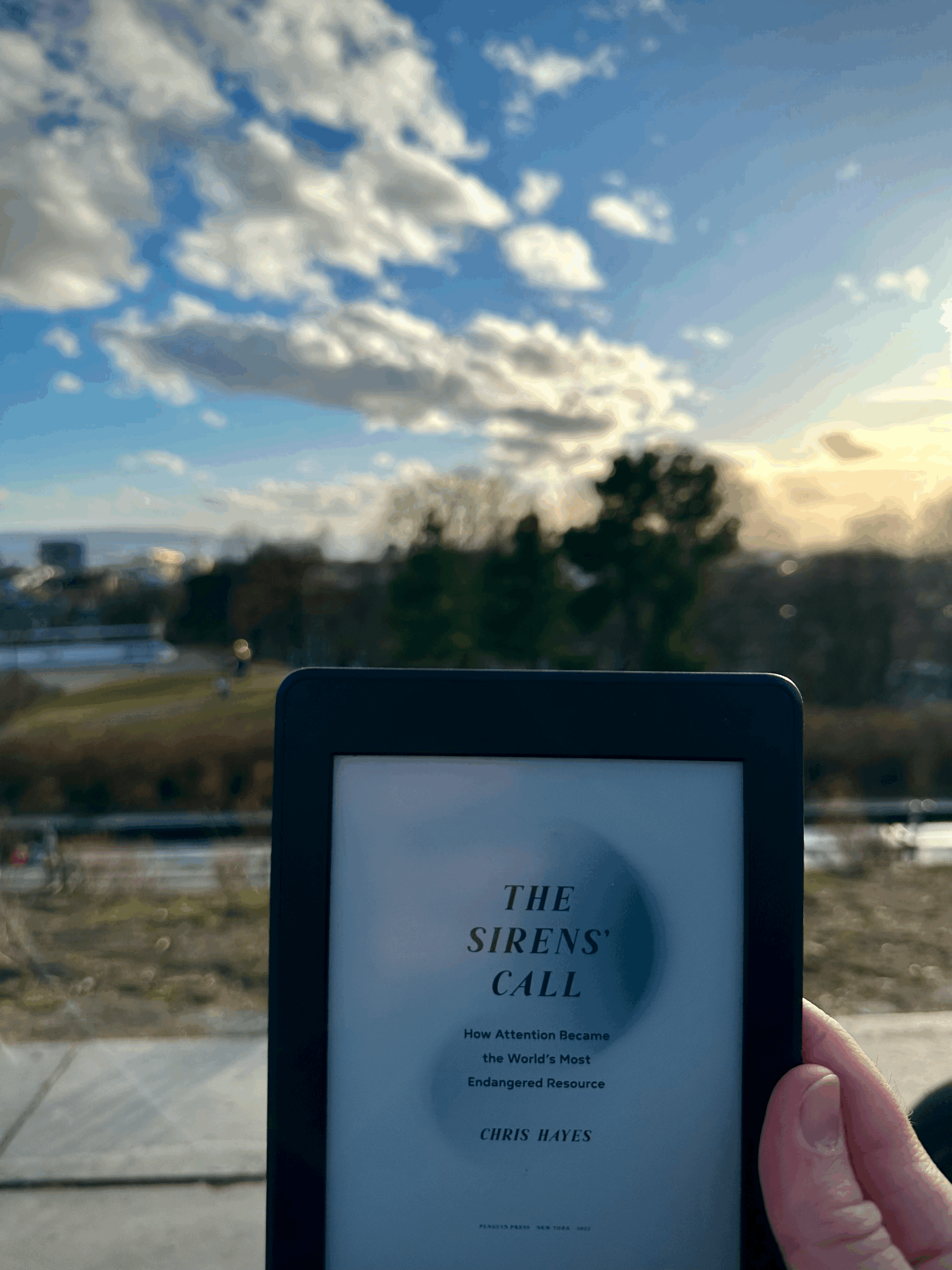
The tech bosses won't let their own kids near it

The screen time debate isn't going away any time soon. That's a good thing. We need even more research and hard evidence on how screens affect our children. A new British study sheds fresh light on what screen time does to kids.
Delays their development
The study, which claims to be the most comprehensive ever carried out anywhere in the world, looks at the first 1,001 days of a child's life. The findings show that screen time for children under two can be linked to long-term health problems. Cognitive development, body language and speech are just three of the areas that screen time holds back in small children. The list of negative effects is long — a full 14 points showing how screens harm young children. The study also found that screen use among the under-twos leads to even higher screen use in the years that follow.
For us in Norway, the study might look like it's kicking in an open door. Our own national screen guidelines already advise against screens for children under the age of two. But what this British study does is tie screen time directly to negative effects on children's development.
None of this comes as a surprise to me. My gut tells me screen use for small children is harmful. But maybe more importantly, my head tells me screen use for small children is unnecessary. At the same time, screens are used to keep in touch with family. My own child has smiled at their great-grandmother in Wales over FaceTime, and that's a lovely moment. But maybe that needs to stop.
The study is crystal clear, and even screen time used for communication should be avoided. It shows that passive exposure is impossible to avoid in society at large, so adding deliberate use on top only strengthens the risk without any meaningful gain.
Making money off toddlers
This week's Kludder article started out as something else entirely. For a while now I've been reading Reddit threads recommending an easy way to make some extra money. I wanted to see whether anyone actually makes money from vibecoded apps. Success stories have been few and far between.
Eventually I started noticing another market Reddit users were exploring: short YouTube clips aimed at children. YouTube Kids is a child-friendly version of YouTube, meant for the youngest viewers. The platform is supposed to filter out inappropriate content, so that everything shown is suited to children and their age group.
Since generative artificial intelligence became something everyone has access to, the barrier for making short videos has essentially vanished. Now YouTube is flooded with short AI-generated clips — colourful snippets of animals, letters and people that make no sense. A horse with four legs and two arms, or a giraffe in bright pink. The only purpose is to look appealing to children, so they'll want to watch more of it.
Last year, parents went to the Norwegian public broadcaster NRK to warn about YouTube Kids. What looked like children's TV to begin with quickly turned into frightening clips meant to scare children. The parents described clips where a character had its tongue cut off, or a Mickey Mouse run over by a car, bleeding to death at a junction.
A video came up where an adult is playing with two figures, the kind children play with, and then one of the figures rapes the other. The other figure is crying. – Sunniva Eidset to NRK.
With the AI clips, YouTube Kids has been handed yet another challenge. Actually, calling it YouTube's challenge puts the responsibility in the wrong place. It's parents who have been handed a new challenge. The entire function of YouTube Kids is to keep children engaged with the platform. Exactly like the way you struggle to tear yourself away from an Instagram reel or a TikTok feed. And when the algorithms get to decide what's shown, things go wildly off course.
In the NRK article, a spokesperson for Google says:
– Our job is to make sure YouTube Kids is a safe platform for children to spend time on.
We can certainly debate whether an isolated AI-generated clip is unsafe for a child. But what starts as a deliberate search for the child's favourite character ends up as something quite different as the swiping and the algorithms carry the child along. The problem arises when parents are left in good faith about which clips are being pushed onto their child's retinas.
But what do the people behind these platforms do?
If you enjoy reading Kludder, please share me with a friend!
Analog Valley
This week OpenAI announced ChatGPT for Teens. It's meant to be a safer way to use the AI model. The product joins the line of child-friendly versions of products. In the hunt for engagement and time spent on a platform, young people and children are a favoured market — habits and routines are set early, after all.
Tim Cook, Apple's chief executive, said back in 2018 that he doesn't want his nephew using social media. Peter Thiel, one of Facebook's first investors, lets his three- and five-year-old have 90 minutes of screen time a week. Quite a few children get more than that in a single day.
The more I read about the Silicon Valley techies' own screen restrictions, the more I see how keep it well away from their own lives, shielding their children.
A thing that has changed hugely is how I feel about algorithmic feeds and iPads in small children’s hands – Sam Altman on the podcast Mostly Human

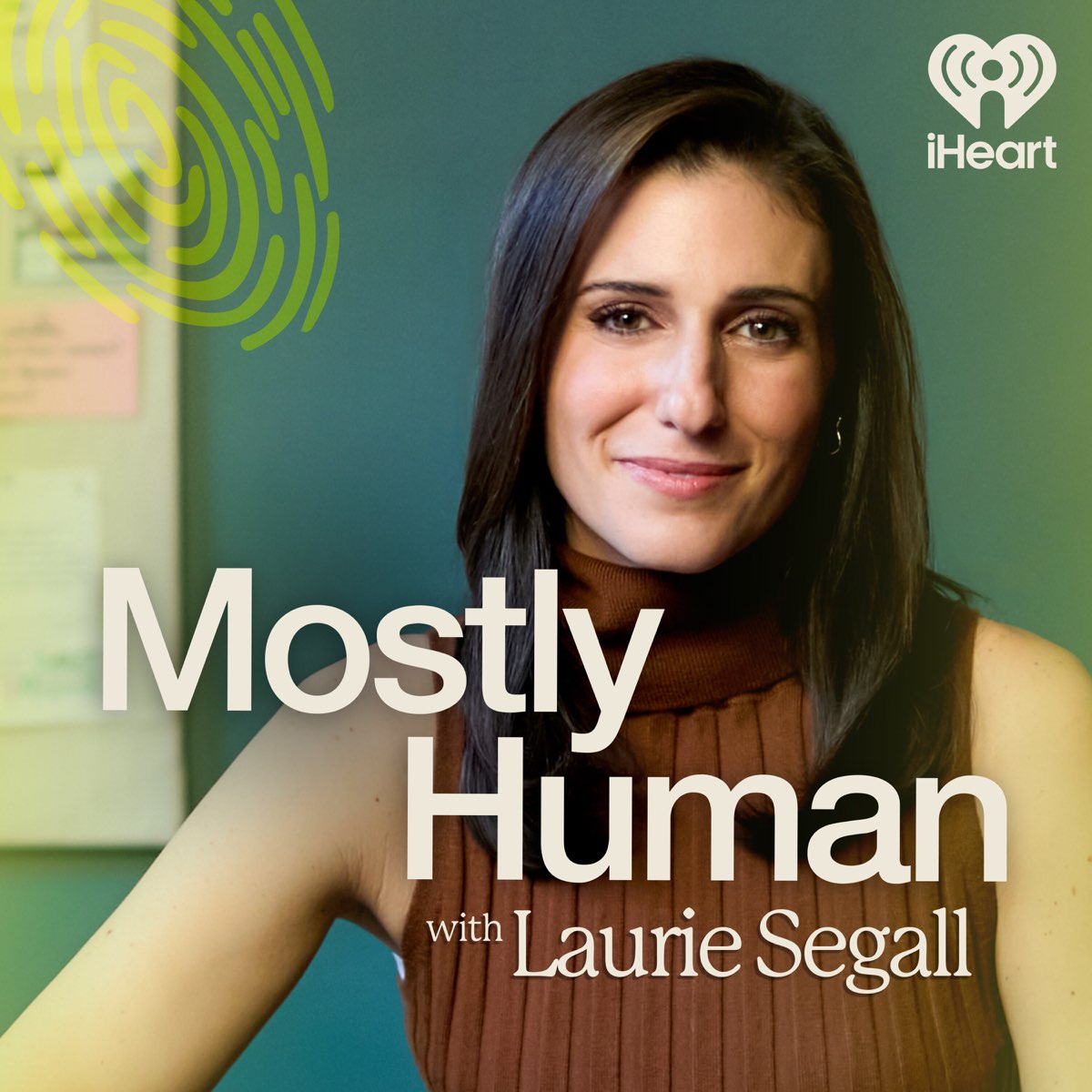
Snap Inc. is the company behind Snapchat. Its CEO, Evan Spiegel, has strict rules about screen use for his own children. That's according to his wife Miranda Kerr on a podcast.
My husband is very anti-screen for the little ones – Miranda Kerr.
Worth looking to the tech bros
The fact that the guys behind the platforms keep themselves and their children away from them basically tells us everything we need to know. The social media bosses know these platforms better than most. If you use YouTube Kids to entertain your children, that's your choice.
Some reckon screen-free children have become a status symbol. Still, ever more research points to that being the way to go. It might take more effort to entertain the little ones once the big exciting screen is gone. Yet the British study shows that the alternative is worse.
So maybe there's finally something to learn from the oligarch gang behind Facebook, Instagram, Google, Apple and Snapchat:
No social media.
And almost no screens.
If you liked this, I'm sure you'll enjoy:
 Sebastian Parry-Jones Øyrehagen
 Sebastian Parry-Jones Øyrehagen